 Posted by
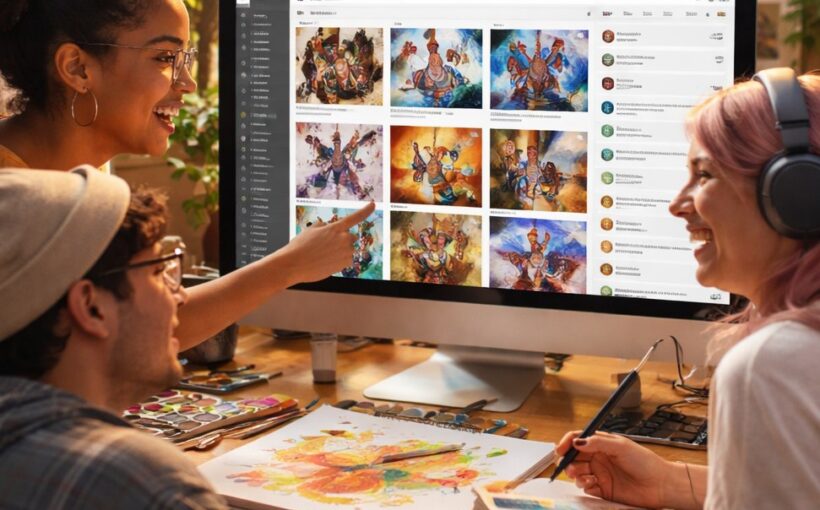
 In an era where connections are often made through screens rather than face-to-face interactions, the world of art has found a new frontier in the digital realm. Artists and aficionados alike have discovered an online haven where they can share their artwork, critique pieces, and discuss artistic visions. This vibrant online community has become a modern-day salon, fostering artistic connections globally.
Accessibility is one of the key strengths of these digital art forums. Unlike traditional art galleries, which can sometimes feel exclusive or intimidating, online communities provide an open space where individuals from all walks of life can participate. Whether you’re an amateur painter seeking feedback, a seasoned sculptor looking for inspiration, or simply an admirer of visual arts, these platforms offer something valuable for everyone.
The interactive nature of these communities is another significant advantage. Engaging directly with other members, whether through comments, live streams, or virtual exhibitions, allows for dynamic dialogue and diverse perspectives. For many artists, having a global audience critique their work is invaluable as it provides insights that might not be available in their local environment.
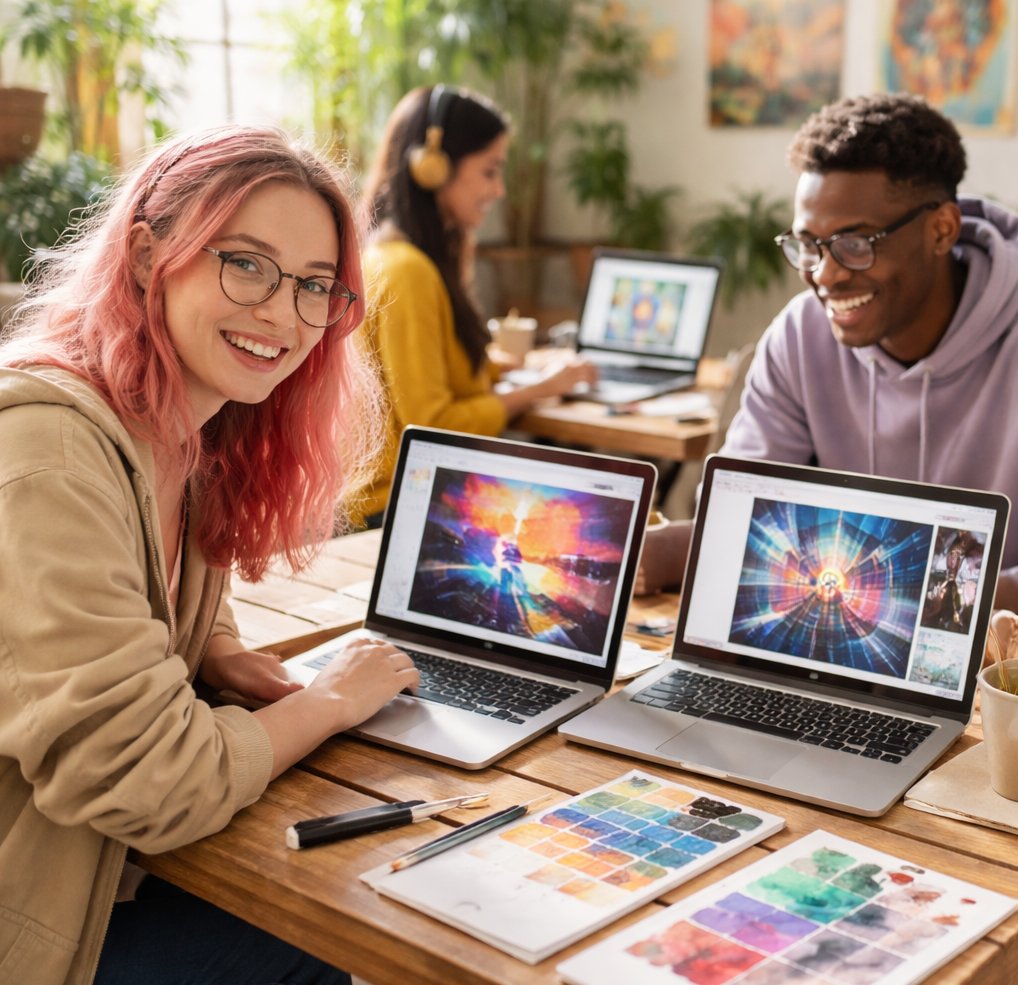
Sharing art online is not just about showcasing finished work; it’s about the process. Many artists choose to document their creative journeys, step by step, allowing audience members a glimpse into their studios. This level of transparency can be inspiring for other creators who might be struggling with artistic blocks or seeking new techniques. The collaborative spirit engendered by this openness is one of the community’s most cherished qualities.
Additionally, these online spaces harness the power of technology to expand the boundaries of what art can be. Digital tools and software have enabled the creation of new art forms, from digital painting to 3D modeling and animation. By sharing their techniques and experiences, artists can help one another navigate these technologies, democratizing the learning process.
Community challenges and projects are a prevalent feature that adds to the vibrancy of these spaces. These challenges often encourage artists to create works around specific themes or using particular media, fostering creativity and pushing members to step outside their comfort zones. Such initiatives promote artistic growth and nurture a sense of camaraderie among participants.
Critique sessions, another staple of the community, offer creators the constructive feedback necessary for development. These sessions, often conducted in real time, allow artists to receive immediate and candid responses to their work. For emerging artists, this feedback is crucial, as it offers different viewpoints and helps refine their skills.
While the primary focus is on sharing and discussing art, these online communities also serve as a platform for learning. Many forums host tutorials, webinars, and workshops led by established artists. These educational resources are often free or low-cost, making professional development accessible to a wider audience. Learning from peers and mentors in this inclusive environment breaks down barriers that might exist in more formal educational settings.
Moreover, the connections fostered in these online spaces often transcend the virtual world. Art exhibitions, meet-ups, and collaborative projects initiated online can lead to real-world friendships and professional partnerships. The synergy between virtual and physical interactions enriches the lives of participants both personally and professionally.
In conclusion, the vibrant online community for art enthusiasts offers a dynamic and inclusive environment for sharing, discussing, and experiencing art. It serves as a testament to how digital platforms can enhance the way we engage with creativity, offering new opportunities for artistic growth and connection. This digital transformation reflects the evolving landscape of art, where the only limits are those of the imagination.