 Posted by
 Amidst the fast-paced world of technology, the realm of visual arts is undergoing a profound transformation. Emerging technologies, from augmented reality (AR) to non-fungible tokens (NFTs), wield an undeniable influence on artistic creation, distribution, and consumption. While traditional forms like painting and sculpture continue to hold their ground, digital innovations are redefining boundaries.
One of the most significant advancements is the integration of augmented reality into visual arts. Through AR, artists can create immersive experiences that transcend the limitations of physical space. For instance, visitors to art exhibitions equipped with AR-enabled devices can witness art pieces coming to life, adding layers of storytelling and interaction that were previously unimaginable. This creates an engaging dialogue between the work and the audience, fostering deeper connections and challenging traditional perceptions.
Virtual reality (VR) also carves out a significant niche in visual arts. Artists now wield the capability to construct entire worlds, accessible through VR headsets. This shift enables audiences to explore and interact with art in unprecedented ways, stepping into a realm where the artwork surrounds them completely. Such experiences broaden the horizon of what can be considered art and how it is experienced, pushing the boundaries of viewer engagement.
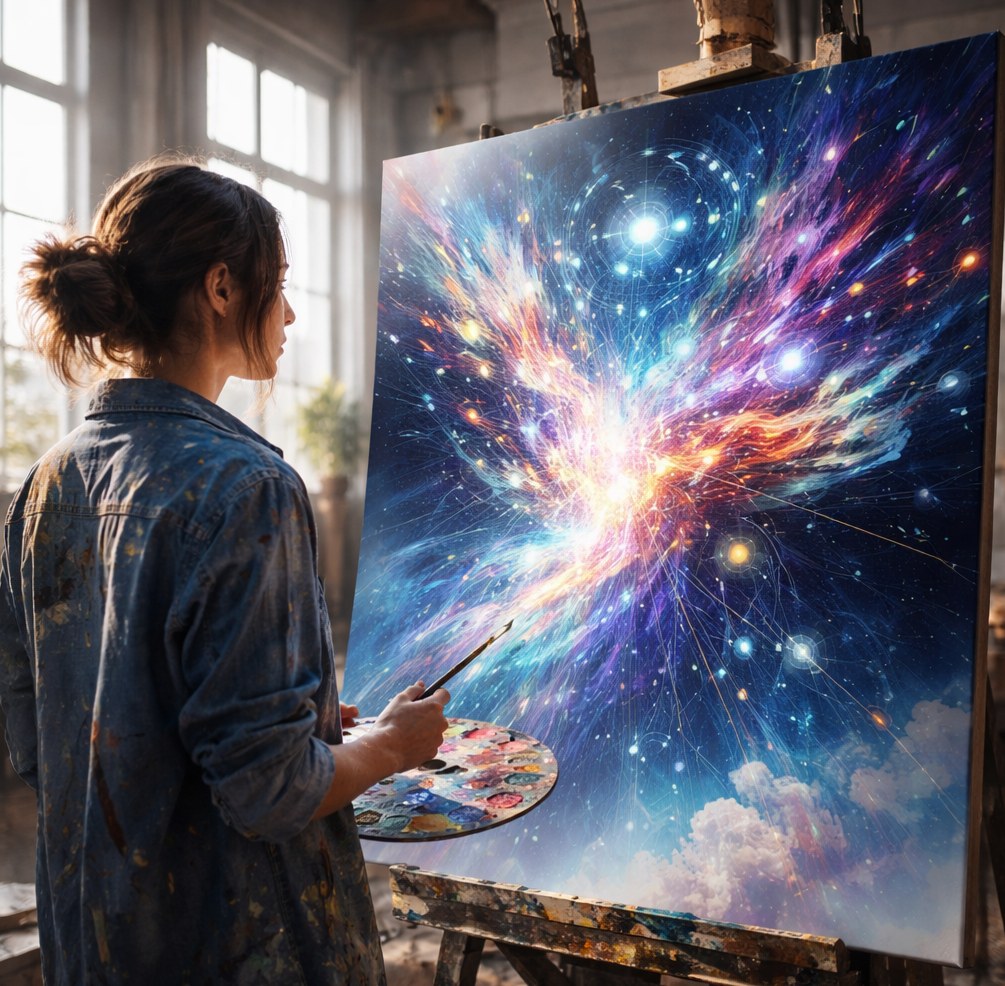
Blockchain technology and the rise of non-fungible tokens have introduced a radical shift in the art market. NFTs have revolutionized ownership and provenance in digital art, offering artists a new way to monetize their creations while ensuring authenticity. This innovation has democratized access to the art market, allowing artists from diverse backgrounds to showcase and sell their work globally. The phenomenon has sparked discussions about the value of digital art and its place in the broader art ecosystem.
Additionally, the rise of artificial intelligence as a tool in art creation cannot be overlooked. AI-driven algorithms now assist artists in generating complex designs, patterns, and even entire pieces of art. While some argue that this diminishes the human element of creativity, others view it as an extension of the artist’s toolkit, enabling the exploration of new creative territories. AI challenges traditional notions of authorship and originality, prompting a reevaluation of what constitutes artistic expression.
As sustainability becomes an urgent global concern, the visual arts community is also pivoting towards eco-conscious practices. Artists are increasingly exploring sustainable materials and processes, integrating environmental consciousness into their work. This shift not only reflects a broader societal trend but also positions visual arts as a catalyst for change, fostering dialogue about environmental responsibility.
The rise of social media platforms adds another layer to the future of visual arts. These platforms serve as powerful tools for artists seeking exposure, allowing for direct interaction with audiences worldwide. Viral art challenges emerge, where artists can instantly reach millions, fuelled by the rapid dissemination of digital artworks. This immediacy, while offering unprecedented opportunities, also poses challenges regarding authorship rights and the commodification of art.
In educational settings, these technological advancements are reshaping art education. Institutions are incorporating digital art tools into their curricula, preparing the next generation of artists to navigate the digital landscape confidently. This evolution ensures that future artists are well-equipped to engage with and contribute to the ever-evolving world of visual arts.
As we look towards the future, the convergence of traditional and digital mediums promises an exciting era for visual arts. This fusion not only transforms how art is made and consumed but also how it is valued and understood within society. Embracing these changes and exploring their potential will undoubtedly open new doors for creativity, challenging artists and audiences alike to redefine their perceptions of what art can be in the digital age.