
 Posted by
 Some accessories complete an outfit; a French veil transforms it. The moment tulle catches the light and softens the line of a gown, the silhouette gains dimension, history, and a hint of ceremony. A veil frames the face, lengthens the body, and adds motion to every step. It’s the rare detail that elevates beauty without competing for attention, which is why brides who want quiet sophistication often turn to French-style craftsmanship: airy drape, meticulous finishing, and delicate structure.
To understand the difference, begin with intention. A veil is not a “cover” but a lens that edits the scene. If you are exploring options, look at what defines a refined bridal veil—the cut, the fibre, the edge treatment, and how each choice interacts with your dress and venue. Think in layers: silhouette first, then texture, then movement. When those layers align, the result feels effortless, which is the essence of French elegance.
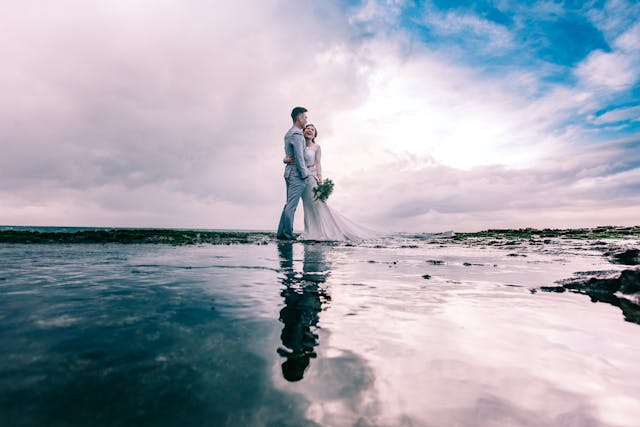 Fabric is the soul of a veil. Traditional French tulle—often a fine hexagonal net—balances structure and airiness, so it floats rather than collapses. Silk tulle has a barely-there sheen and extraordinary drape; nylon or poly tulle can be featherlight with more memory, holding a shape in the breeze. Lace appliqué shifts weight toward the edge, changing the way the veil falls, while a clean-cut raw edge preserves transparency. Choose the cloth that flatters your gown’s fabric, not the other way around: matte with matte, luminous with luminous, texture with texture.
Length sets the tone. Fingertip and waltz veils deliver romance while leaving you free to move; chapel and cathedral lengths feel ceremonial and make the aisle a stage. For garden weddings, a flowing chapel veil skims gravel and grass without constant adjustment; for grand interiors, cathedral length turns staircases into a runway. Eliminating bulk at the comb and placing the veil slightly below a low bun can add line to the neck, while a higher placement creates volume at the crown—useful for minimalist gowns that benefit from vertical emphasis.
Edge finishes are the punctuation marks of veil design. A cut edge is modern and invisible, ideal with sleek crepe or satin columns. Pencil stitching draws a fine outline that photographs crisply. A narrow French lace trim introduces pattern only where light gathers, so the centre remains translucent. Scalloped Alençon and eyelash Chantilly are richer statements, lending heritage to a simple dress or echoing lace already present. Metallic threads can be sublime under candlelight; the key is restraint, letting glimmers appear as you turn rather than announcing themselves from across the room.
Color deserves precision. Ivory is not a single hue; it ranges from warm cream to cool pearl. Place the veil directly on your gown in daylight to check undertones. If your dress has a nude or champagne lining, a veil that leans slightly warm can harmonize the whole palette. For pure-white gowns, a veil with a similar cool base avoids a faint yellow cast in photos. When in doubt, match undertone before brightness; cameras are forgiving of shade differences, less so of mixed temperatures.
Proportion matters beyond length. Petite brides often benefit from a narrower veil that doesn’t overwhelm shoulders; statuesque figures can carry wider cuts that trail in soft wings. Consider your venue’s scale: a loft with generous negative space can handle dramatic spread, while intimate restaurants reward sleek lines. Veils with graduated width—narrower at the comb, fuller at the hem—create flow without adding bulk around the face. If your dress features strong architectural seams, a very sheer veil keeps the dress legible while softening edges for the camera.
Movement is where French veils excel. The net structure catches little air currents, producing that cinematic lift when you turn. Train guards or discreet finger loops help during windy ceremonies, allowing you to gather the edge without fuss. For outdoor vows, avoid heavy beading all over; concentrate embellishment at the hem so the upper part remains weightless. A two-tier veil offers the option of a blusher for the aisle and swift conversion to a single layer for the reception—useful if you want both intimacy and freedom.
Hair choices and veil placement are a duet. Low chignons, French twists, and loose waves all welcome a metal comb secured with bobby pins that cross in an X for grip. If your hair is very fine, ask your stylist to tease lightly at the anchor point or to use a discreet elastic placed under the bun. Headpieces—petite tiaras, wired blossoms, or pearl vines—can live above or below the comb. The cleanest look sets the veil under the accessory so tulle flows uninterrupted, while a crown-over-veil setup leans regal. Trial both during your hair rehearsal rather than improvising on the morning.
Styling the walk is as much choreography as fashion. Pause a breath before the aisle to let the veil settle, then step with slightly longer strides than usual; the fabric will respond with a gentle sweep. If you wear a blusher, rehearse the lift—your partner can raise it with one hand at the comb and one at the edge so it doesn’t drag across makeup. After the kiss, a friend can slide the blusher behind the comb in a single motion, giving you a polished back view for the recessional.
Photographers love veils because they create foreground and atmosphere. Backlit tulle glows; at dusk, it filters streetlamps into halos. Ask for a few frames where the veil is tossed lightly and caught midair, then a set where it wraps around both of you in a quiet embrace. Indoors, a staircase or a long corridor turns the fabric into a ribbon that leads the eye. A veil is a built-in lighting modifier—subtle diffusion you carry with you, which is why even minimalists often choose one for portraits.
Comfort is part of elegance. Trim away any errant threads, and test the comb wearing the earrings you plan to use to ensure there’s no snagging. During the reception, you may want to bustle a long veil or switch to a shorter second piece that preserves the bridal aura without limiting dancing. If you keep the original, designate a friend to help when guests step too close; a calm hand prevents accidents faster than apologies fix them. Pack a small stain-removal wipe for city photos where the hem might meet a curb.
Care before the day is straightforward. Store your veil flat in a breathable garment bag; if it arrives folded, hang it in a steamy bathroom to relax creases, but avoid direct water contact. A hand steamer on the lowest setting works if handled at a distance. After the wedding, air the veil and have it professionally cleaned, especially if the edge includes lace or metallic embroidery. Archival boxes with acid-free tissue preserve color and prevent snags, turning your veil into a keepsake that can be restyled or loaned in years to come.
How do you pair a French veil with different gowns? With minimalist crepe, try silk tulle cut-edge for maximum float. With floral appliqué, echo the motif at the hem only, keeping the upper veil sheer so the bodice remains crisp. Ballgowns tolerate drama: cathedral length with scattered pearls reads festive but refined if the scatter is dense near the hem and lighter above. Slip dresses glow with a whisper-thin chapel veil—the contrast of slinky fabric and soft netting is intoxicating on film. The right veil finishes the sentence your dress begins.
Season and setting can nudge your decision. For beach vows, choose ultra-sheer tulle that moves with the breeze and a length that avoids soaking. For historic estates or vaulted churches, lean into longer silhouettes that honor the architecture. Mountain or garden ceremonies invite texture—soft lace, tiny floral appliqués that echo native blooms. If you plan a city hall signing followed by dinner, a fingertip veil brings ceremony to the civil moment and stows easily afterward.
Budget is not the enemy of refinement. Prioritize fabric quality and finishing over heavy embellishment. Hand-applied lace at the edge gives impact with fewer materials than allover motifs. A beautiful comb—polished metal, well-secured teeth, and careful wrapping—looks luxurious even when minimal. Rental options for statement lengths can bridge the gap for a one-evening effect, while keeping a lighter piece for dancing ensures comfort. Elegance is a function of coherence, not cost: when gown, veil, hair, and setting speak the same language, the whole appears bespoke.
Finally, remember the point of a veil in the modern ceremony: not to hide, but to reveal. It frames the features you love about yourself, adds poetry to small gestures, and holds memory in motion—the way it lifted on the steps, the way evening light traced its edge during the first dance. If you choose well, you’ll forget you’re wearing it until a breeze reminds you, and guests will recall the feeling it created rather than the object itself. That is the hallmark of true elegance: presence without noise, grace without effort.